
Ceramic Diaphragms
Our ceramic diaphragms made of yttrium-stabilised zirconium dioxide (ZrO₂) are used in high-quality pH sensors to reliably separate the reference and measuring media from each other. The combination of precisely adjustable porosity, defined wetting behaviour and excellent chemical resistance to acids and bases makes this material an ideal buffer and separating medium.
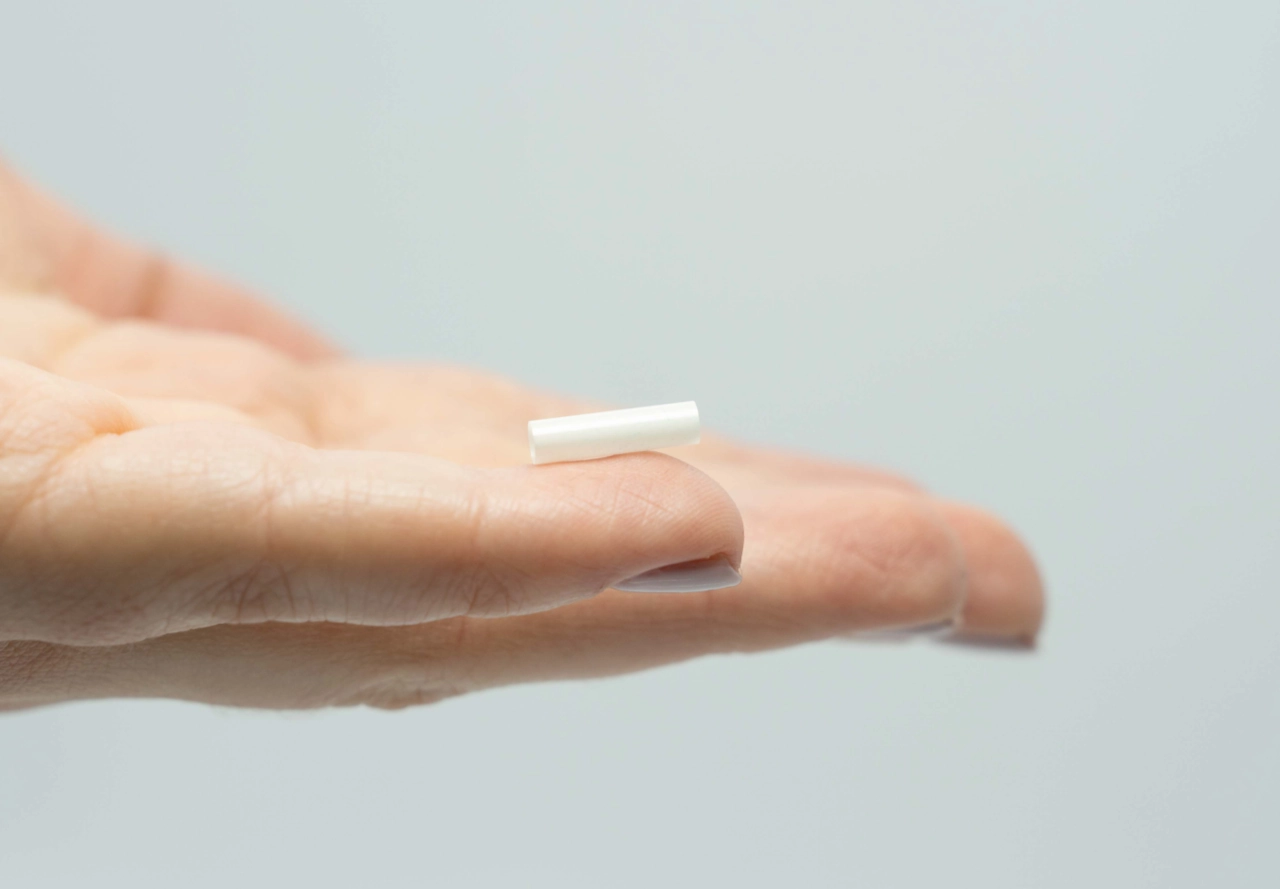
Your advantages - Diaphragms made of Y-FSZ
- Scalable porosity from 20 to 40%
- Acid-base resistance from pH 0 to 14
- Adjustable pore size distribution from 200 to 800 nm
- Geometries with diameters from 0.6 to 1.8 mm possible
- Surface and wetting angle can be adjusted to customer specifications
Our experts are always available to provide you with further advice.
Ceramic diaphragms made of yttrium-stabilised zirconium dioxide
The diaphragms are characterised by a homogeneous, adjustable pore size distribution of 180 to 800 nm, a porosity of approx. 20–40 % and precisely manufactured geometries with diameters between 0.60 mm and 4.80 mm. Lengths of 25 to 100 mm are currently available.
The use of the inert ceramic material Zirconia Y-FSZ allows the potential differences between the media that arise during the measurement process to be recorded with particular precision, stability and reproducibility. The diaphragms can be used across the entire pH range from 0 to 14 and guarantee consistently high measurement accuracy even under long-term stress.
Thanks to state-of-the-art manufacturing technologies and its own grinding processes, Rauschert can implement customer-specific specifications regarding porosity, pore volume and pore size distribution precisely and reproducibly. This allows ceramic diaphragms to be adapted exactly to the requirements of a wide variety of sensor applications – for maximum measurement stability and reliability.
FAQ
about ceramic diaphragm
What is the function of a ceramic diaphragm in a pH-Sensor?
The ceramic diaphragm provides controlled ionic contact between the reference electrolyte and the measurement medium, enabling the ion flow required for reference measurement. At the same time, it limits the exchange between the reference electrolyte and the measurement medium. The diaphragm is therefore an important component for stable and reliable pH measurement.
Why is zirconia used for ceramic diaphragm?
Rauschert manufactures diaphragms from yttria-stabilised zirconia (Y-FSZ). This material combines chemical resistance with mechanical stability. Its porous structure enables the required ionic contact. The diaphragms are suitable for applications in media with pH values ranging from 0 to 14.
What porosity and pore sizes are available for ceramic diaphragms?
Rauschert offers ceramic diaphragms with adjustable porosity from 20 to 40%. Pore sizes can be adjusted between 200 and 800 nm. This allows the pore structure to be tailored to the specific requirements of the sensor.
What applications are ceramic diaphragms used for?
Ceramic diaphragms are primarily used as liquid junctions in pH sensors and other electrochemical measurement systems. Typical applications include:
- pH and redox electrodes
- Process sensors for water and wastewater
- Sensors for food and beverage processing
- Pharmaceutical and biotechnological processes
- Fermentation applications
- Laboratory and analytical electrodes
- Sensors for low-conductivity media
Can ceramic diaphragms be customised?
Rauschert can tailor porosity and poren sizes to specific applications. Dimensions and geometry can also be customised. Diameters from 0.60 to 4.80 mm and lengths from 25 to 100 mm are currently available.
How can electrolyte flow be controlled throught the pore structure?
The electrolyte flow is largely determined by porosity, pore size, and pore size distribution. Higher porosity and larger pores reduce flow resistance, and allow a higher electrolyte flow rate. Smaller pores with less interconnectivity, on the other hand, restrict flow. By adjusting the pore structure, a balance can be achieved between sufficient ionic contact and minimal electrolyte exchange with the measurement medium.
What are the advantages of ceramic diaphragms compared with plastic diaphragms?
Ceramic diaphragms provide a controlled and reproducible electrolyte flow and offer high chemical and thermal resistance. Their transport properties can be tailored by adjusting porosity, pore size and component thickness.
Custom ceramic diaphragms for PH Sensors
Do you need a ceramic diaphragm with specific porosity and pore size distribution? Tell us about your requirements. We will select the right material and develop a customised ceramic solution for your application.